
VicSee Blog
Blog
Read latest product features, solutions, and updates.
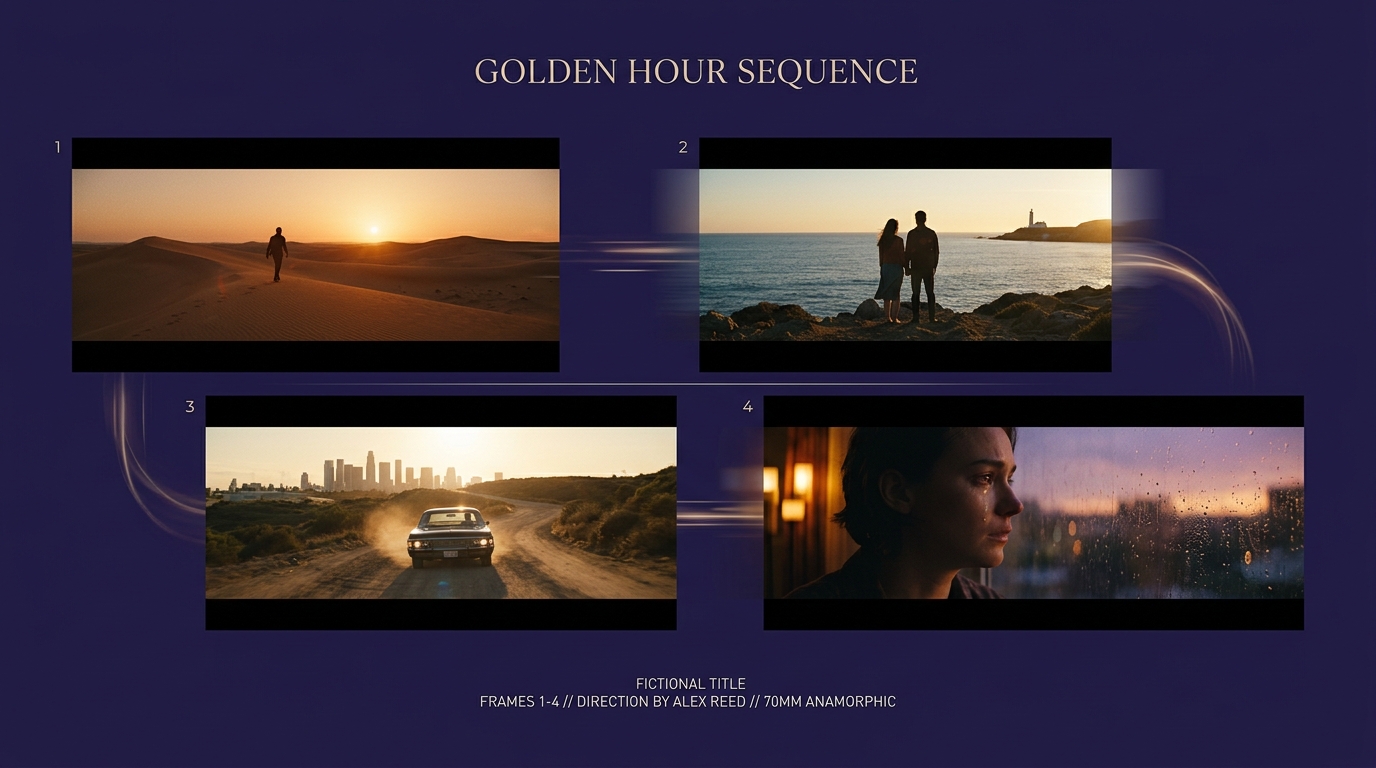
GPT Image 2 + Seedance 2.0: The Storyboard-to-Animation Workflow
GPT Image 2 generates the storyboard. Seedance 2.0 animates the frames. How the trending workflow works, and why the anchor frame matters most.
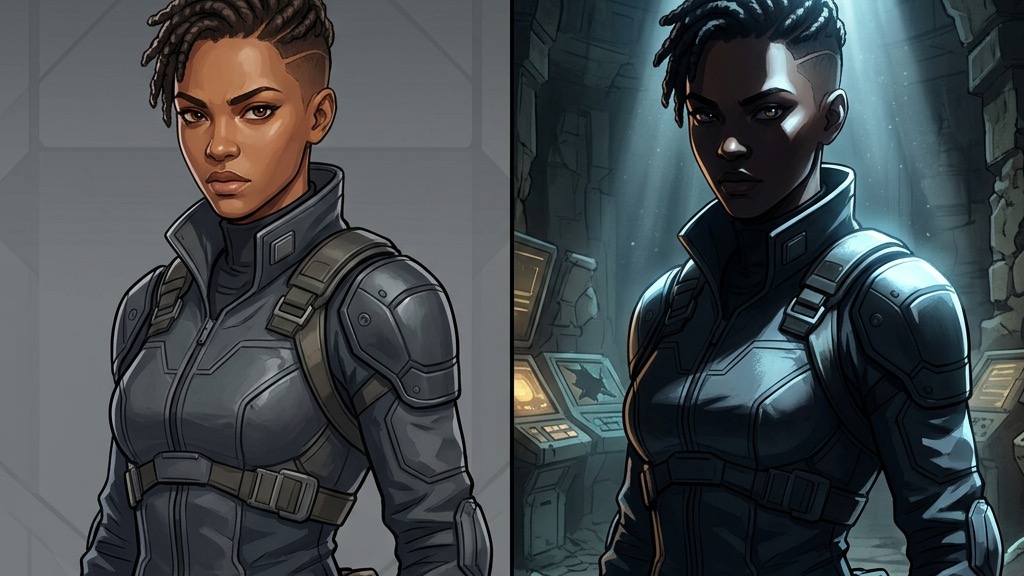
AI Character Consistency: The Reference System That Actually Works
Most AI character consistency problems come from bad reference images, not bad models. Here's the reference system that actually scales across scenes.
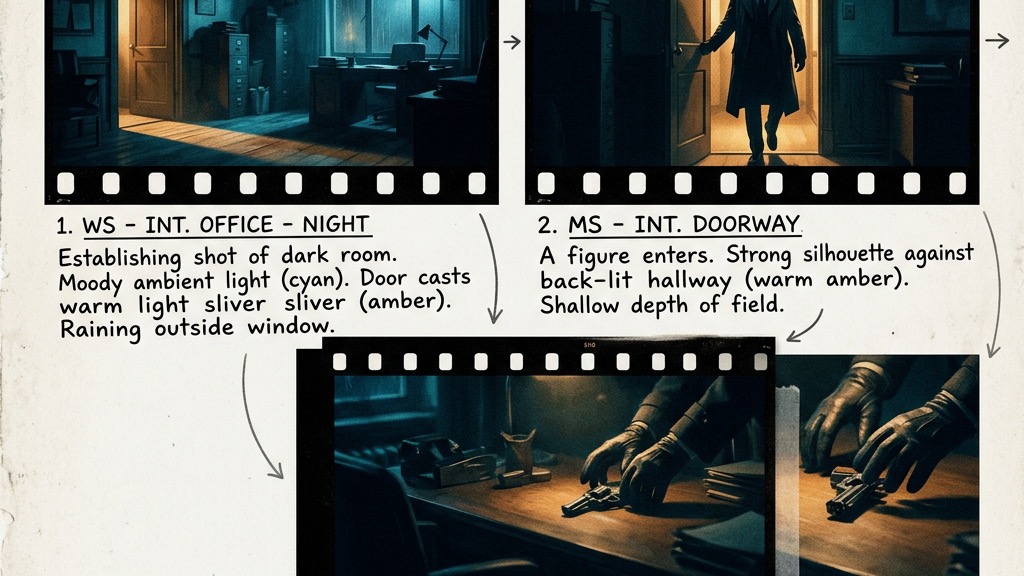
Kling 3.0 Multi-Shot Mastery: Sequence Grammar and the Shot Vocabulary Beyond Single Clips
Kling 3.0 multi-shot turns single clips into cinematic sequences. Learn the sequence grammar that makes shot transitions feel directed, not random.
AI Filmmaking: The Director's Eye Problem
AI replaces the film crew's hands, not the director's eye. Why creative judgment is the bottleneck that doesn't prompt well.
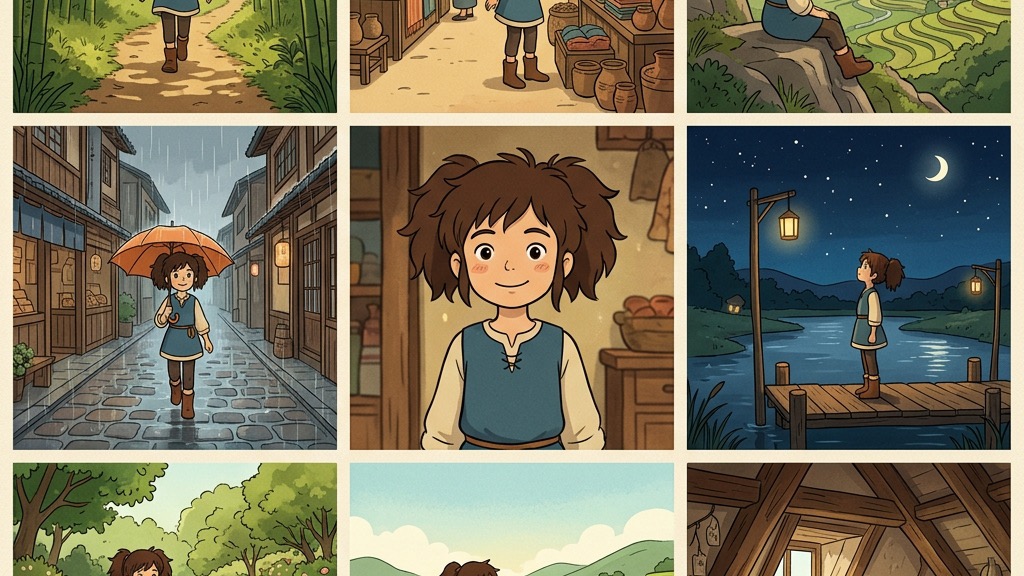
How to Build a Consistent AI YouTube Series (19 Episodes, Same World, No Drift)
Building a consistent AI YouTube series means solving drift, not style. Here's the anchor system and workflow that keeps 19 episodes in the same world.
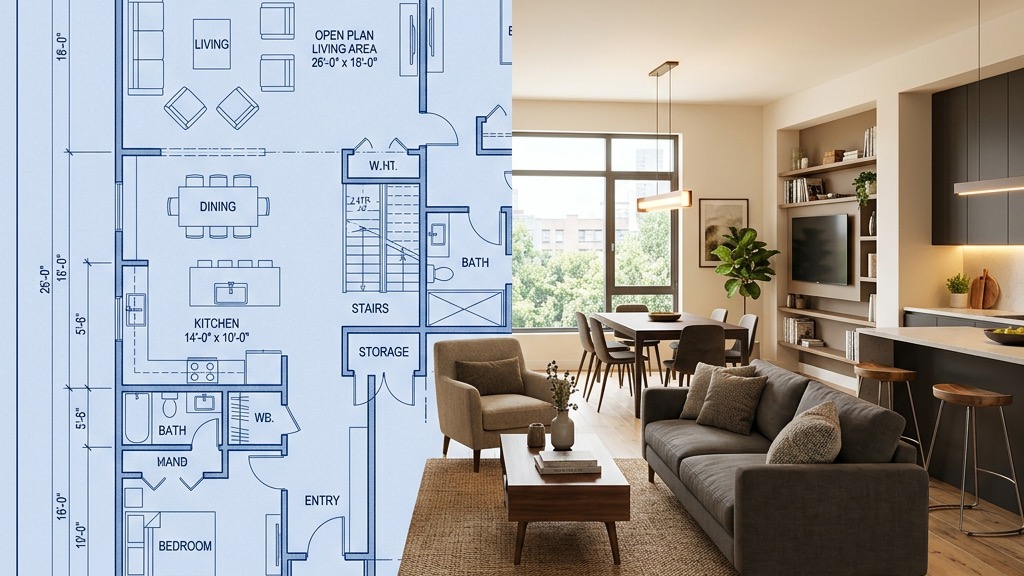
Nano Banana 2 for Designers: From Floor Plan to Render in One Prompt
Nano Banana 2 compresses design workflows from days to minutes. Floor plan to render, CAD sketch to product, UI concepting — all from a single prompt.
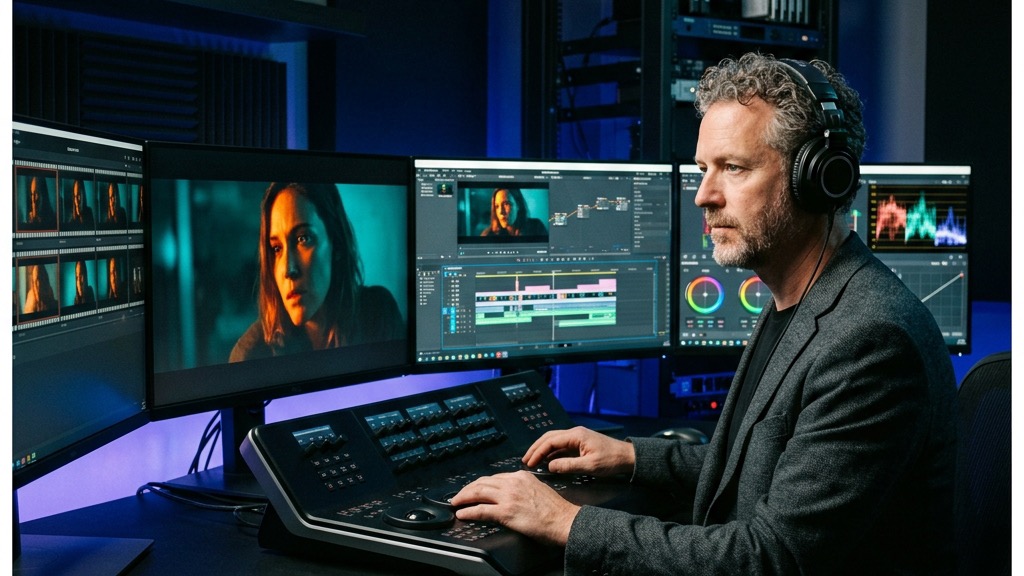
AI Filmmaking Post-Production: The Techniques That Make AI Video Look Cinematic
Cinematic AI video comes from post-production, not prompts. Color grading, strategic cuts, and B-roll strategy are where quality gets made.
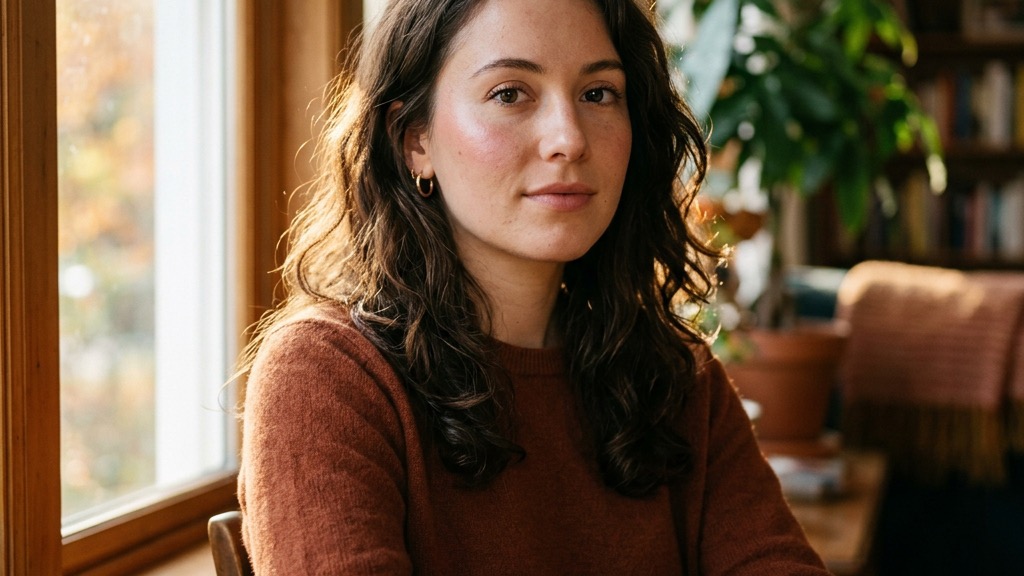
Why AI Portraits Look Plastic (And How to Fix It)
AI portraits look plastic because of missing subsurface scattering. Real skin is translucent. Here's the physics behind it and exactly how to fix it.
Kling 3.0 Camera Prompts: Stop Describing Scenes. Start Directing Them.
Kling 3.0 responds to camera language the same way a real camera does. This guide covers the shot vocabulary that separates cinematic AI video from generic clips.

AI Image Prompting: JSON Structure, Reference Images, and the Death of 500-Character Prompts
AI image prompting has moved past long text descriptions. Here are three structured approaches that produce better results with less guessing.

Faceless YouTube with AI: The Real Economics
Faceless YouTube channels are printing money with AI video. Here is what the economics actually look like and what separates the winners from everyone else.

The Solopreneur Playbook: What AI Actually Changes (And What It Doesn't)
AI collapsed the skill stack but not the distribution problem. What actually changes for solo founders, and what stays hard.

Seedance 2.0 Content Restrictions, NSFW Policy & Face Detected Errors — Tested Workarounds (2026)
Real test results on Seedance 2.0's content restrictions, NSFW policy, and "face detected in your media" errors. What's blocked, what's borderline, and proven workarounds from 100+ prompts.

AI Video Ads: The Real Cost Behind the "$10 Ad" Claims
The "$10 AI ad" is a myth. Here's what AI video ads actually cost in credits, time, and failed generations, plus the volume testing workflow that works.

Seedream 4.5 vs 5.0 Lite: Which One Should You Use?
We ran the same prompts on Seedream 4.5 and 5.0 Lite. Here's what each model does better, where they fail, and which one you should actually use.
Seedance 2.0 Omni Reference: How to Control Characters, Camera, and Style
Seedance 2.0's omni reference system lets you upload 9 images, 3 videos, and 3 audio files to control every aspect of AI video generation. Here is how it actually works.
Will AI Replace Designers? What Sketch-to-Render Actually Means
Everyone asks if AI will replace designers. The real answer is more specific: sketch-to-render does not replace design. It replaces the execution layer of design. Here is what that means and who should actually be worried.
AI Filmmaking with Seedance 2.0: What Actually Works
AI filmmaking demos look incredible. The reality is more complicated. Here is what actually works when building multi-shot sequences with Seedance 2.0, what breaks, and what the highlight reels leave out.

Google vs ByteDance: The AI Creative Ecosystem War Nobody Is Talking About
Everyone compares models. The real competition is between two closed-loop creative ecosystems: Google's Nano Banana to Veo to YouTube pipeline vs ByteDance's Seedream to Seedance to TikTok pipeline. Here's why that matters more than any benchmark.
Nano Banana 2: The Complete Guide (2026)
Everything you need to know about Nano Banana 2, Google's fastest AI image generator. Architecture, capabilities, pricing, prompting tips, and how it compares to Nano Banana Pro.
Nano Banana 2 vs Seedream 5.0 Lite: Same Day Launch Showdown
Google and ByteDance released new AI image generators on the same day. We ran 6 identical prompts through both. Here is what actually won.
Seedance 2.0 Blocks Face Uploads — Here's How to Use Your Face Anyway
Seedance 2.0 blocks real face uploads, but there's a workaround. Generate AI portraits as character references instead. Step-by-step guide with video results.
Seedance 2.0 vs Kling 3.0: Side-by-Side AI Video Comparison (2026)
We tested Seedance 2.0 and Kling 3.0 with the same prompts, same base images, same settings. Watch the results side by side and see which AI video model wins.

Kling 3.0 Image-to-Video: 20 Tested Prompts & Best Practices Guide (2026)
20 tested Kling 3.0 image-to-video prompts for cinematic AI generation, plus prompt best practices, camera movement tips, and recommended settings. Updated for 2026.
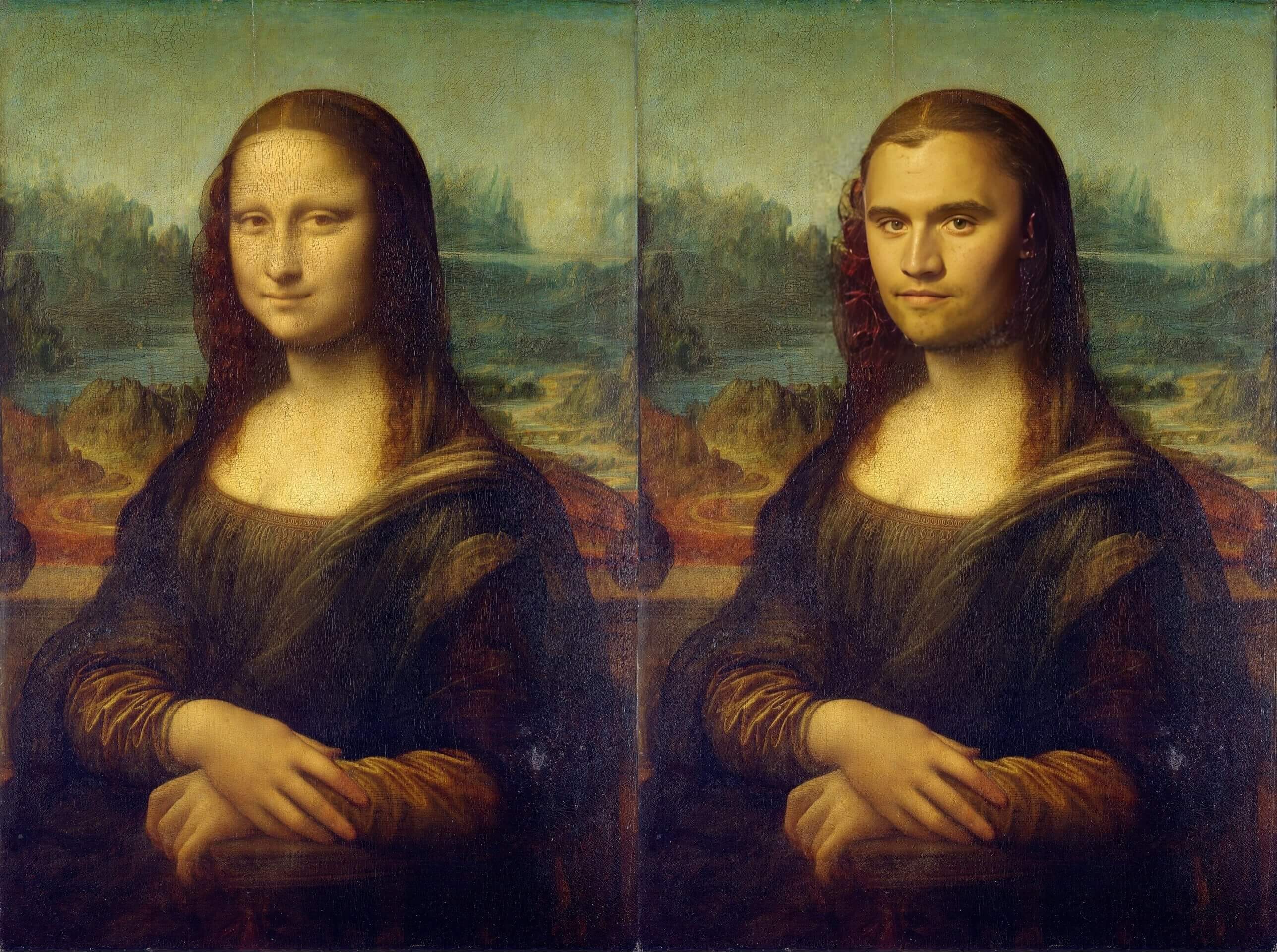
How to Kirkify Images: Free AI Face Swap Generator (2026)
Learn how to kirkify images with free AI tools. Step-by-step guide to creating the viral Charlie Kirk face swap meme using VicSee's kirkify generator.